

When You Feel Numb or Irritable: A Normal Response to Heavy Work (and What Helps at MYcroSchool)
If you’ve been feeling numb lately… or more irritable than you want to be… or like your patience is thinner than usual—take a breath.
This doesn’t mean you don’t care.
Often, it means you’ve been caring a lot for a long time.
At MYcroSchool, Inc., we serve 7th–12th grade At‑Promise students—students at promise of success, not “at risk of failure.” Many of our students are trauma-impacted. Some lack parenting support. Some experience homelessness. Many have witnessed violence. That reality can show up in school as conflict, shutdown, high emotion, or unpredictable days.
When you work inside that kind of intensity, your nervous system adapts. Sometimes the adaptation looks like “I don’t feel much.” Sometimes it looks like “everything annoys me.”
This post is here to normalize it—and to give you practical ways to come back to yourself.
Note: This is supportive wellness content, not clinical advice. If these feelings are persistent, worsening, or affecting your life significantly, consider using our Employee Assistance Program (EAP)—ask HR for details.
What “numb” and “irritable” often mean (in trauma-impacted work)
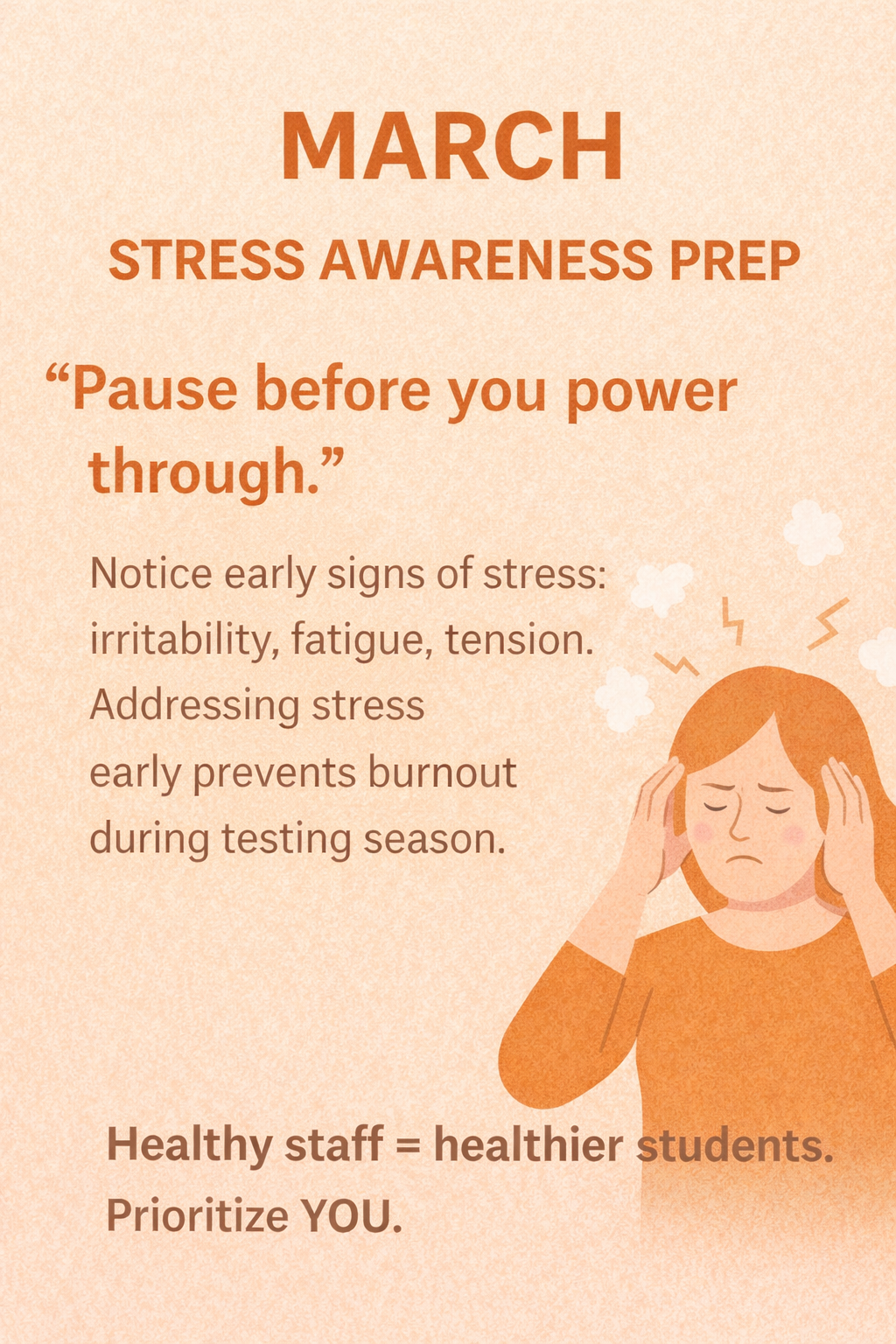
In high-empathy jobs, numbness and irritability can be signs of emotional exhaustion or stress overload.
They’re often your body’s way of saying:
- “I’ve been on alert too long.”
- “I’ve been holding too much.”
- “I need recovery, not more pressure.”
This isn’t weakness. It’s a protective response.
Common signs you’re running low (before you crash)
You might notice:
- you don’t feel the highs or the lows (just flat)
- you’re snapping at small things
- you dread being needed one more time
- you avoid coworkers or students more than usual
- you feel guilty for needing space
- you go home and “zone out” for hours
If any of this sounds familiar, it’s time for support—not self-judgment.
7 things that help (realistic, MYcroSchool-friendly)
1) Replace “What’s wrong with me?” with “What do I need?”
Try asking:
- “Do I need water or food?”
- “Do I need quiet for 5 minutes?”
- “Do I need movement?”
- “Do I need support from a teammate?”
This shift is surprisingly powerful.
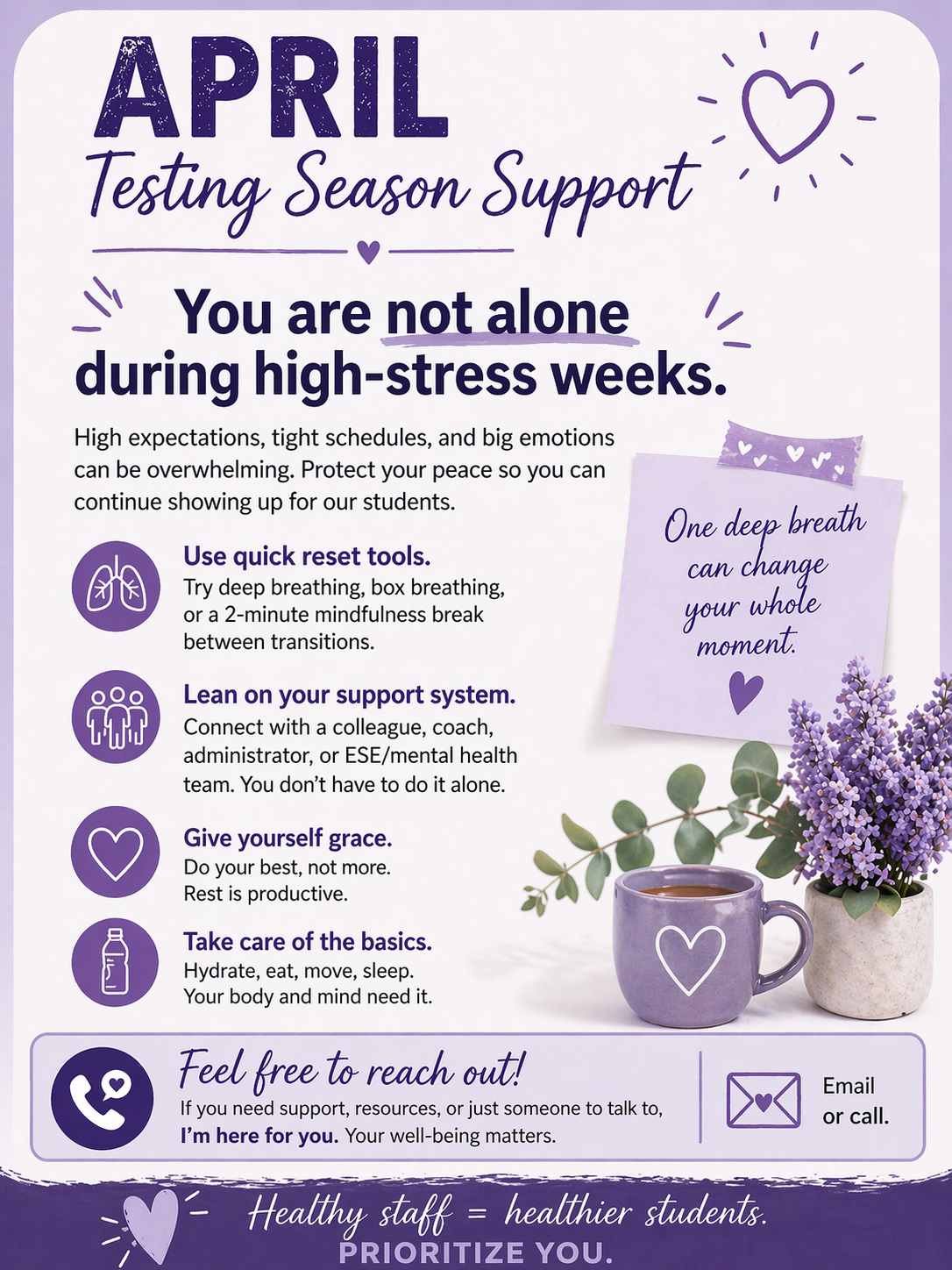
2) Use a MYcro-reset (1–3 minutes) between intensity and your next task
Pick one and repeat it daily:
- 5 long exhales (longer exhale than inhale)
- shoulders down + unclench jaw + feel feet on the floor
- step outside for 60 seconds and look at the horizon
- write one sentence: “Next best step is ______.”
You’re not trying to become a different person. You’re giving your nervous system a reset.
3) Reduce decision fatigue (make the next step automatic)
When you’re depleted, decisions feel heavier.
Try a simple rule:
- “When I feel snappy, I drink water first.”
- “When I feel flat, I take a 3-minute walk.”
- “When I feel overwhelmed, I ask for a quick teammate check-in.”
Automation protects your energy.
4) Shorten your language when you’re low
When you’re tired, you may over-explain—or your tone may sharpen unintentionally.
Use short, warm + firm lines:
- “I’m here to help. Here are your choices.”
- “We’ll talk when we’re calm.”
- “Try that again in a school voice.”
Fewer words = fewer sparks.
5) Don’t confuse numbness with “this is who I am now”
Numbness can feel scary because it can sound like: “I’ve changed.”
Often it’s your system saying: “I’m overloaded.”
With recovery and support, feeling returns. Patience returns. You return.
6) Add one “refill” activity that’s not screen time
Zoning out isn’t wrong. But if screens are your only recovery, your system may not truly reset.
Try one small refill:
- a short walk
- music while cooking
- shower + early bed
- a hobby for 15 minutes
- sitting outside with a drink
Small, consistent refills build resilience.
7) Get support early (before it becomes a season)
If numbness, irritability, or shutdown is sticking around, you don’t have to push through alone.
Support is available through our Employee Assistance Program (EAP) — ask HR for details.
Even a few sessions can help you process stress and rebuild coping tools.
A message from MYcroSchool, Inc.
This work is meaningful—and it can be heavy.
If you feel numb or irritable, it doesn’t erase your compassion. It often means your compassion has been working overtime.
We see you. We appreciate you. And we want you supported—not just productive.
If you need help, please use the EAP—ask HR for details. You deserve care, too.
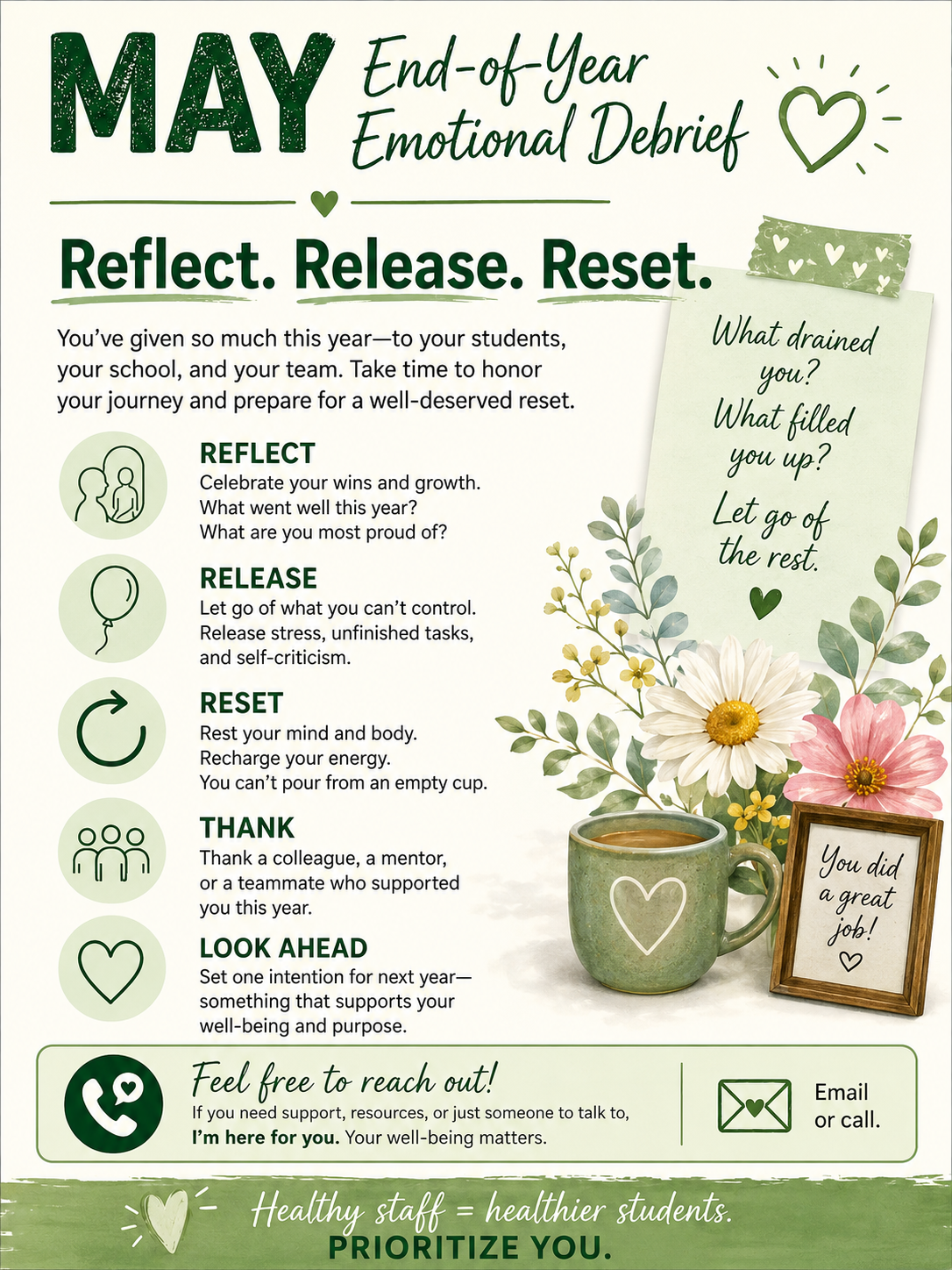
2-minute reflection (optional)
Pick one:
- “What’s one signal my body gives me when I’m running low?”
- “What’s one boundary that would protect my energy this week?”
- “What support would make me feel less alone in this?”