
A Culture of Care: How MYcroSchool, Inc. Supports Staff (and How to Ask for Help)
At MYcroSchool, Inc., we serve 7th–12th grade At‑Promise students—students at promise of success, not “at risk of failure.” Many of our students have already been failed by traditional systems. Many are trauma-impacted. Some lack stable parenting support. Some experience homelessness. Many have witnessed violence.
And the people who show up for them—our staff—carry a level of emotional labor most people never fully see.
This final post in our wellness series is simple and direct:
You matter here.
Not only as professionals, but as people.
A culture of care isn’t a slogan. It’s what we practice—especially when the work is heavy.
Note: This is supportive wellness content, not clinical advice. If you need professional support, our Employee Assistance Program (EAP) is available—ask HR for details.
What a “culture of care” means in a MYcroSchool
A culture of care means we don’t pretend this work is easy—and we don’t leave staff to absorb the hardest parts alone.
It looks like:
- support that’s proactive, not only crisis-based
- boundaries that are respected, not punished
- teamwork that reduces isolation
- clear communication and follow-through
- wellness being treated as professional sustainability, not “extra”
What we’re committed to as MYcroSchool, Inc.
Every campus and team is different, but here are commitments that define the direction:
1) We will name reality without labeling students as “problems”
Our students are At‑Promise. We do not define them by trauma, behavior, or past failures. We also do not deny what they carry.
Both truths matter.
2) We will encourage warm + firm practice
Consistency and dignity build trust. Staff should not have to choose between compassion and standards.
3) We will support staff recovery, not just staff performance
When people are depleted, everything gets harder: patience, problem-solving, creativity, connection. Recovery protects staff—and students.
4) We will make it normal to ask for help early
Waiting until someone is at the edge is too late. A caring culture makes “early support” the default.
Support option you can use: Employee Assistance Program (EAP)
If you’re experiencing:
- sleep disruption
- persistent anxiety or low mood
- secondary trauma symptoms
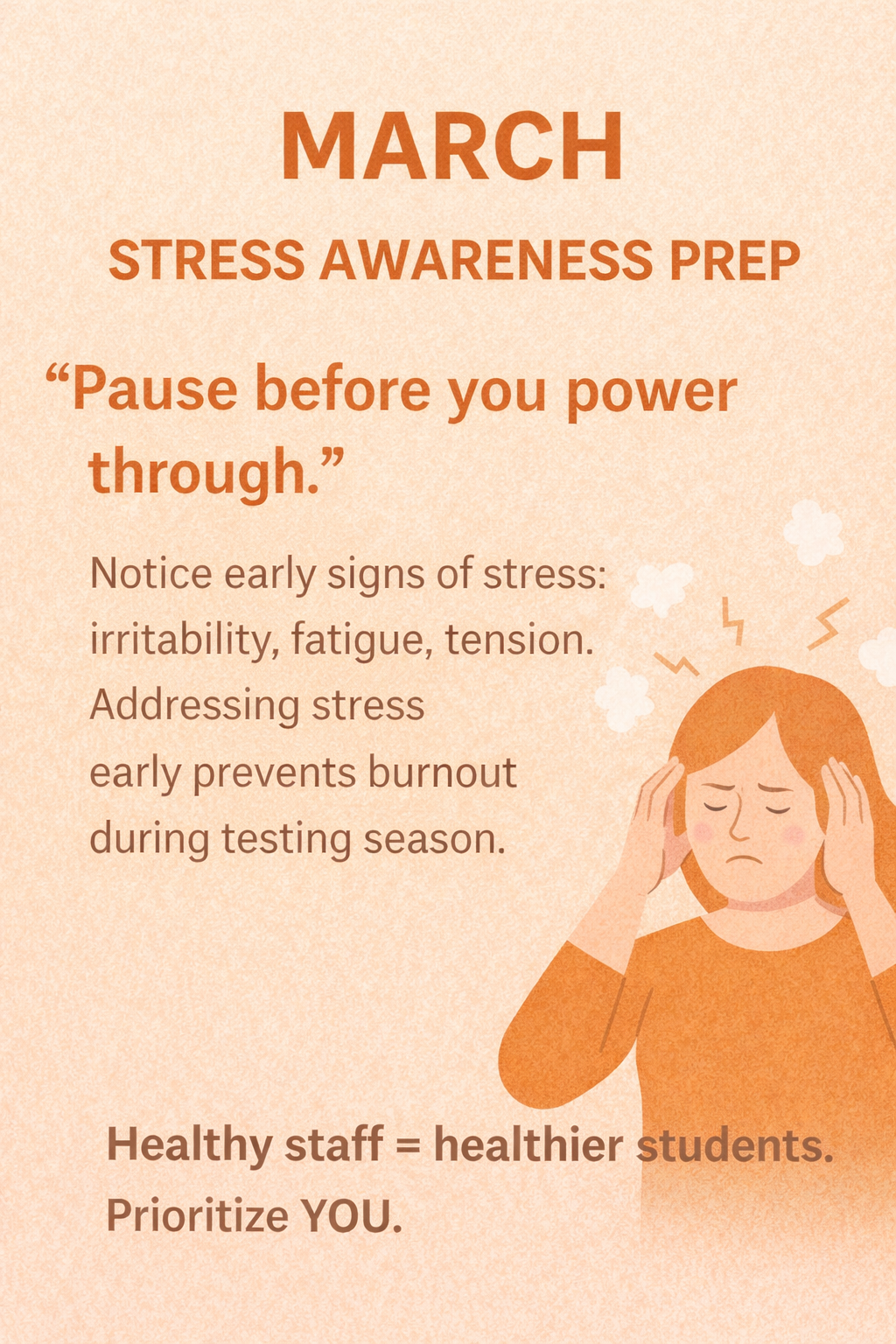
- compassion fatigue or burnout
- grief or a heavy season
- stress that’s affecting relationships or health
Please consider using our Employee Assistance Program (EAP). Ask HR for details on access.
Using the EAP is not a weakness. It’s a wise support tool for people doing high-impact work.
How to ask for help (simple scripts)
Sometimes the hardest part is finding the words. Here are a few options you can use with a supervisor, teammate, or HR:
If you need a quick check-in
- “Can I get 10 minutes to talk through next steps on a situation?”
If something is sticking with you
- “A student situation is staying with me. Can I process it briefly and make a plan?”
If you’re noticing stress symptoms
- “I’m noticing sleep/stress changes. I want to address it early. What support options should I use?”
If you need a boundary to protect capacity
- “To stay effective, I need to be clear about what I can take on this week.”
If you want EAP details
- “Can you share how to access the Employee Assistance Program (EAP)?”
How to support a teammate (without trying to be their therapist)
A culture of care spreads person to person.
Simple, supportive lines:
- “That looked like a lot. Want a quick check-in?”
- “Do you want support or space right now?”
- “Do you want help thinking through next steps?”
- “I’ve got you. You’re not alone in this.”
Support doesn’t require perfect words. It requires presence.
The MYcroSchool wellness bottom line
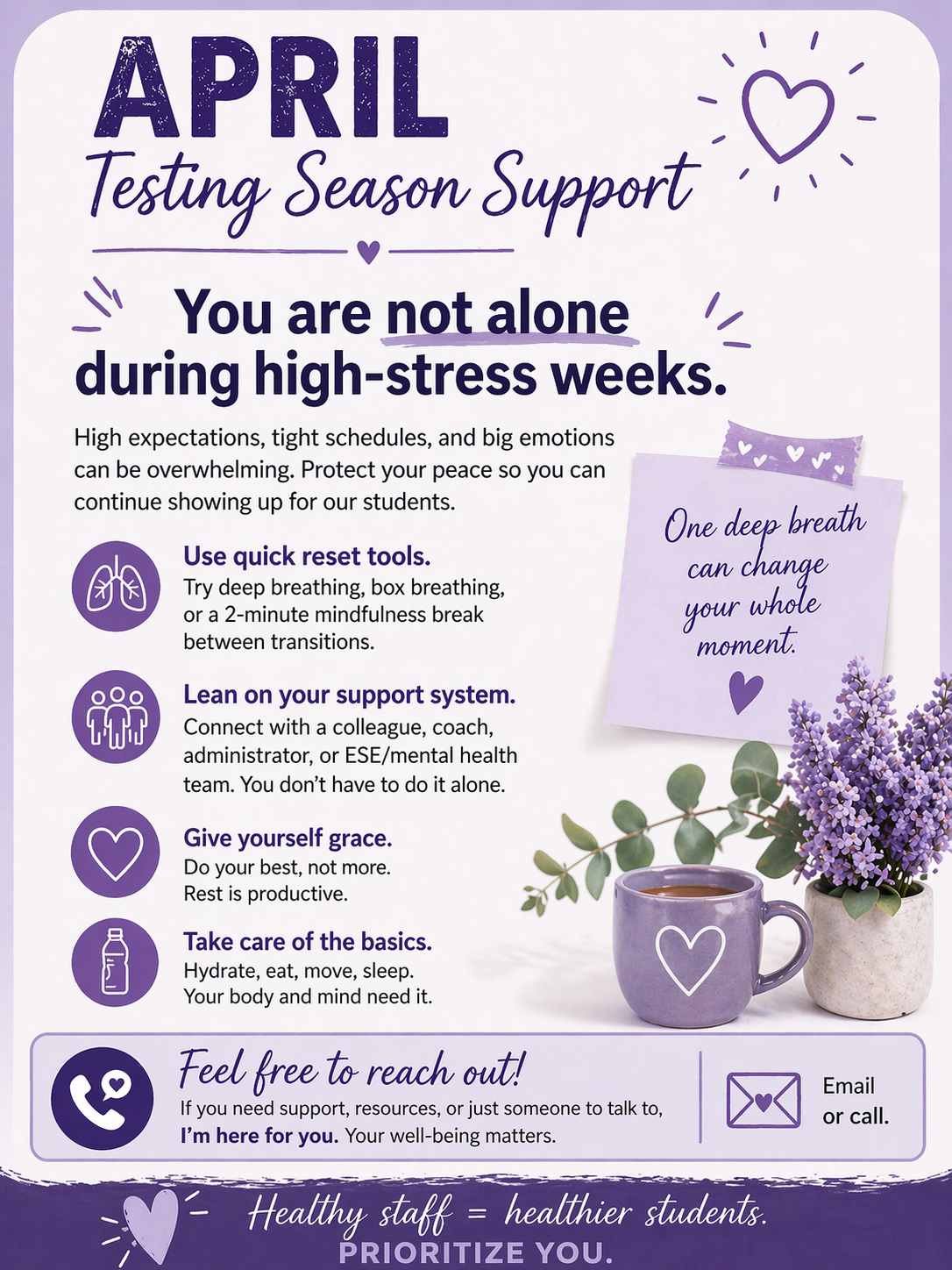
You can care deeply about students and still care deeply about yourself. In fact, you have to.
Sustainable care is what keeps good people in this work. It protects classrooms. It protects culture. It protects outcomes.
And you deserve it.
A message from MYcroSchool, Inc.
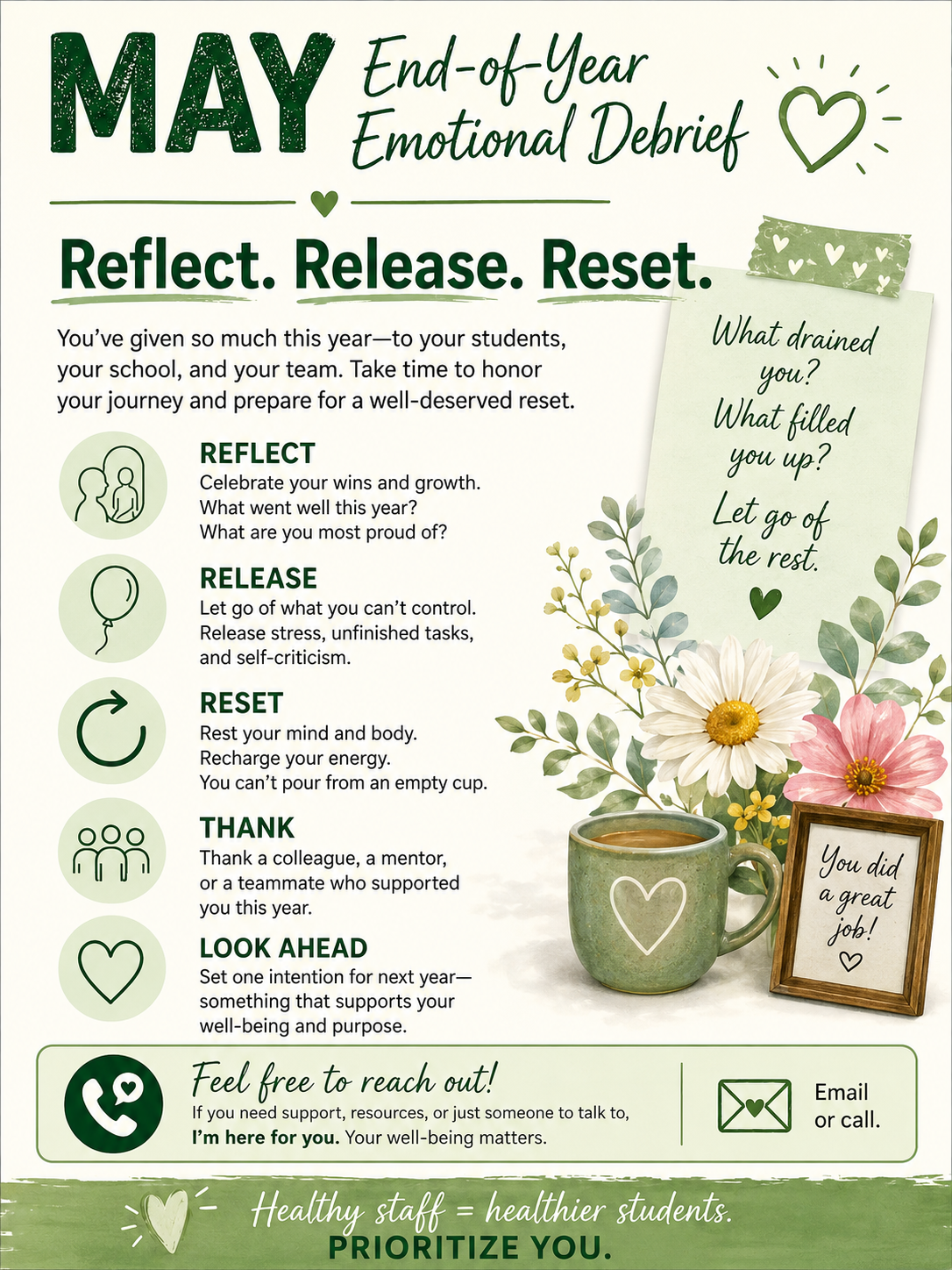
Thank you for showing up. Thank you for staying consistent. Thank you for believing in students who have been through more than most adults.
We see you—and we’re committed to supporting you.
If you need help, please reach out early. And remember: our Employee Assistance Program (EAP) is available—ask HR for details.
2-minute reflection (optional)
Pick one:
- “What support would help me feel more sustainable this month?”
- “What boundary would protect my capacity while still serving students well?”
- “What’s one small refill habit I want to keep?”