Caring for the Caregivers: Mental Health Matters in Dropout Prevention
Working in dropout prevention is more than a job—it is a calling. Every day, educators in this field step into the lives of students who may be carrying heavy burdens: poverty, instability, trauma, disengagement, or a deep sense of disconnection from school. You are not just teaching content—you are rebuilding trust, restoring hope, and often standing in the gap when others cannot.
But while you pour so much into your students, it’s essential to pause and ask: Who is caring for you?
The Hidden Weight of the Work
Dropout prevention work is emotionally demanding. Success rarely comes quickly, and setbacks can feel deeply personal. You might find yourself:
- Carrying students’ stories long after the school day ends
- Feeling responsible for outcomes beyond your control
- Celebrating small wins while quietly navigating big disappointments
- Constantly advocating for resources, time, and understanding
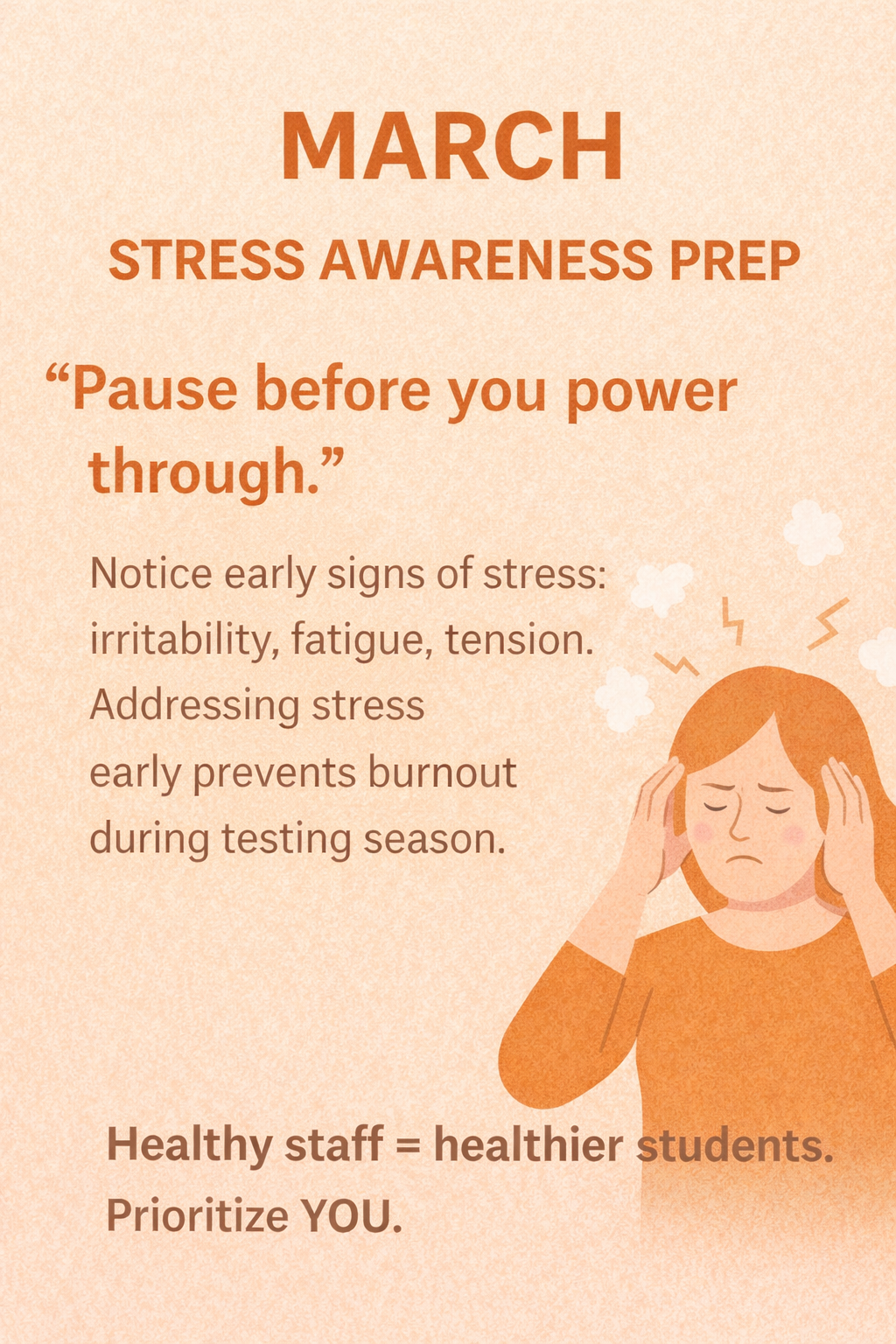
This sustained emotional investment can lead to compassion fatigue, burnout, and chronic stress—especially when you feel like you have to keep pushing forward no matter what.
Your Well-Being Is Not Optional
In education, there’s often an unspoken expectation to sacrifice personal well-being for the sake of students. But the truth is:
You cannot sustainably support students if your own mental health is suffering.
Caring for yourself is not selfish—it’s strategic. When you are mentally and emotionally well, you show up more present, more patient, and more impactful.
Practical Ways to Protect Your Mental Health
Here are realistic, educator-centered strategies you can begin using right away:
1. Set Emotional Boundaries
You can care deeply without carrying everything. Practice reminding yourself:
- “I am responsible for effort, not outcomes.”
- “I can support without absorbing every struggle.”
2. Redefine Success
In dropout prevention, progress is often non-linear. Shift your perspective to celebrate:
- A student showing up consistently
- A difficult conversation that builds trust
- A small academic improvement
These moments matter—they are the foundation of long-term change.
3. Build a Support Network
You are not meant to do this alone. Connect with colleagues who understand your work:
- Share challenges without judgment
- Celebrate wins together
- Normalize talking about stress and burnout
Sometimes, just being heard can lighten the load.
4. Protect Your Time
Set clear limits around your workday when possible:
- Avoid taking on everything “just one more thing”
- Create a consistent end-of-day routine to mentally disconnect
- Give yourself permission to rest without guilt
Rest is not a reward—it’s a requirement.
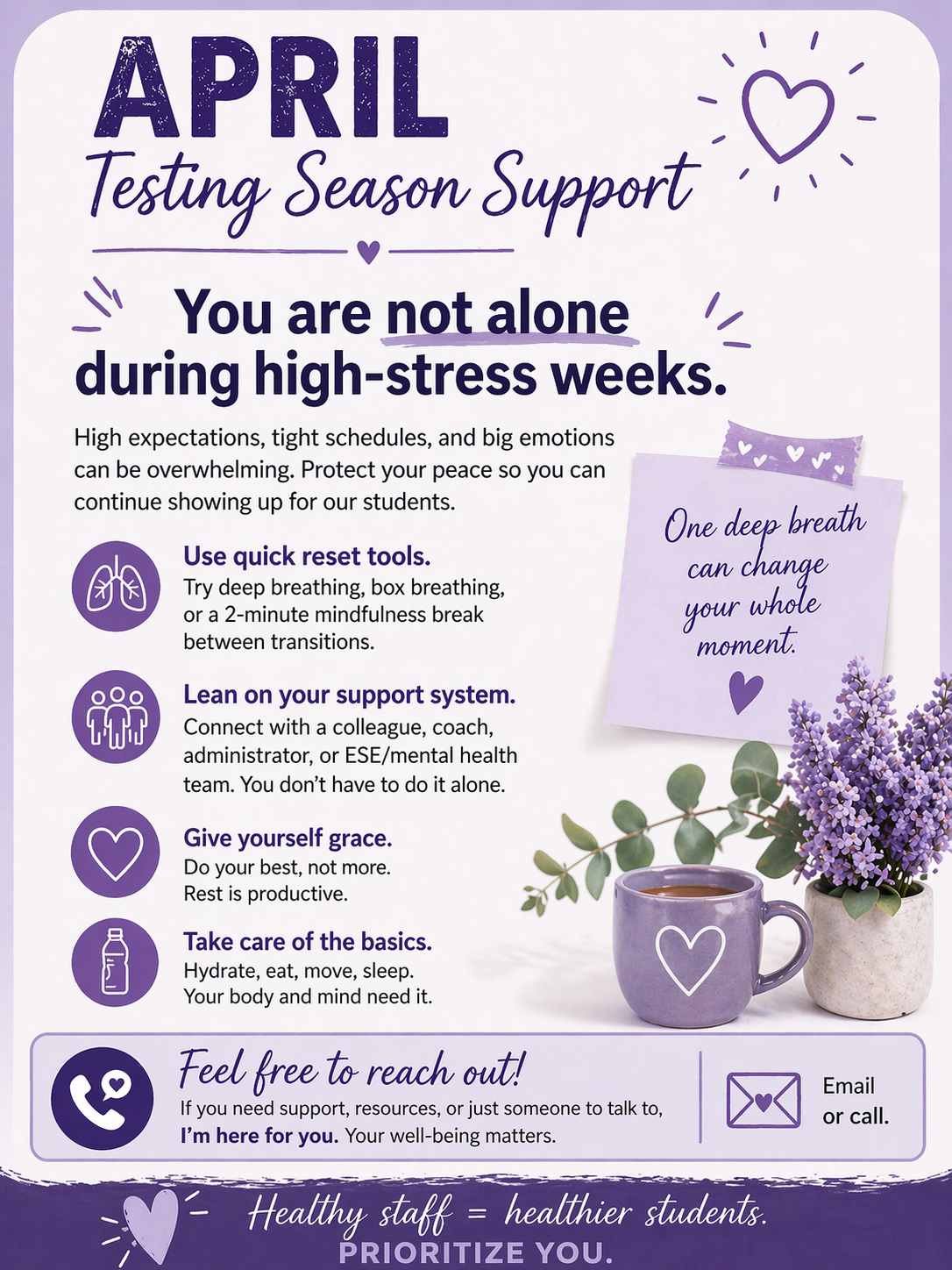
5. Engage in Micro Self-Care
You may not always have time for big wellness routines, but small, consistent practices add up:
- Deep breathing for 2–3 minutes between classes
- A short walk outside
- Listening to music that re-centers you
- Writing down one positive moment each day
These moments help reset your nervous system and emotional energy.
6. Seek Professional Support When Needed
There is strength in reaching out. If feelings of stress, overwhelm, or exhaustion persist, consider speaking with a counselor or mental health professional. You deserve the same support you encourage your students to seek.
Remember Your “Why”—But Don’t Let It Consume You
Your passion for helping students succeed is powerful. It’s what makes you exceptional in this work. But passion without boundaries can lead to exhaustion.
Instead, let your “why” be your guide—not your burden.
A Final Word of Encouragement
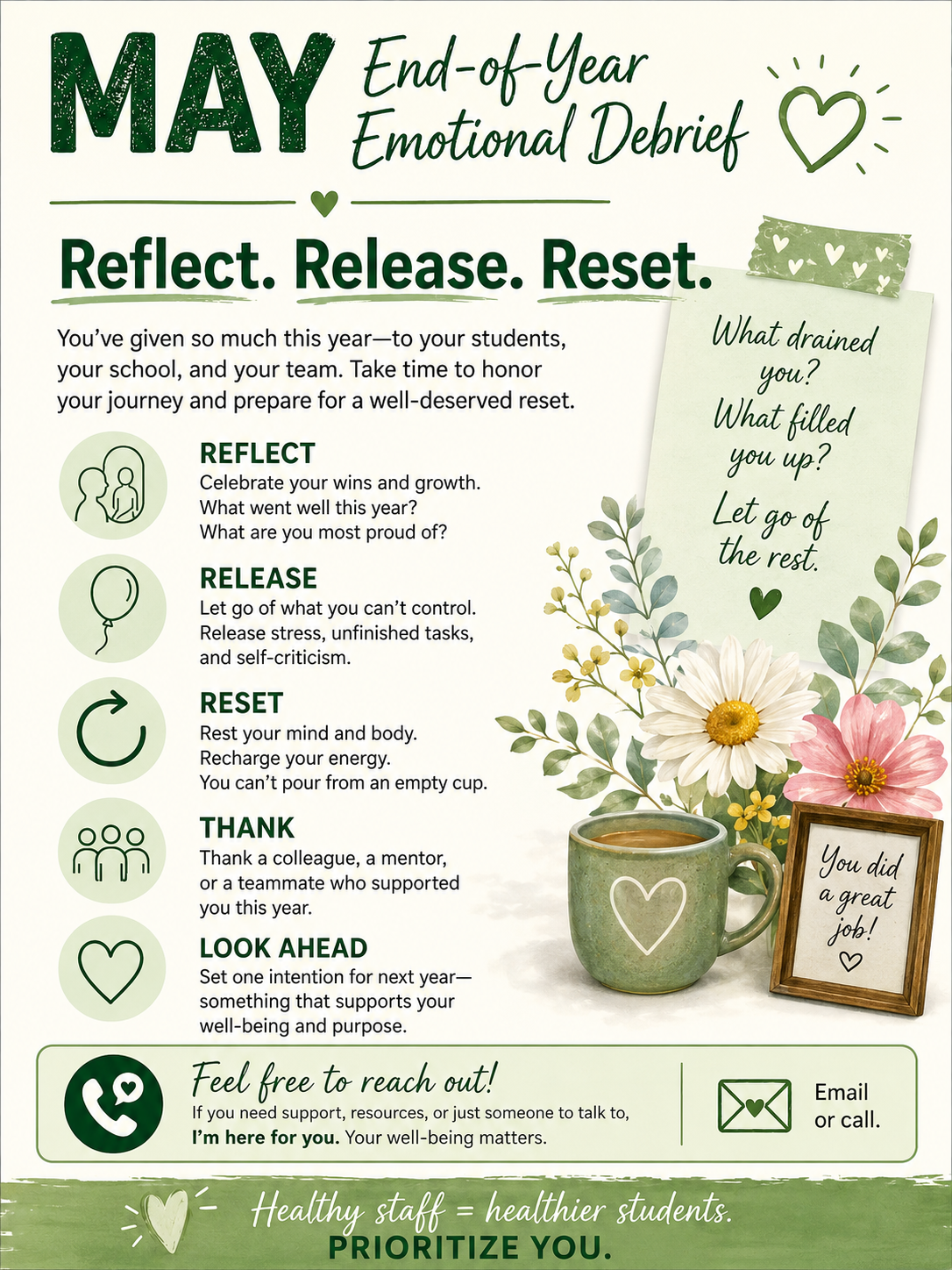
You are doing work that changes lives—sometimes in ways you may never fully see. A student who stays, who tries again, who begins to believe in their future… that impact lasts far beyond the classroom.
But your life, your health, and your peace matter too.
So take the break.
Set the boundary.
Ask for support.
Choose yourself—consistently.
Because when you care for your mental health, you’re not stepping away from the mission—
You’re strengthening your ability to keep showing up for it.