
Compassion Without Burnout: How MYcroSchool Staff Can Protect Their Hearts and Keep Showing Up
If you’re feeling emotionally tired lately, you’re not weak—and you’re not alone.
Working with 7th–12th grade At‑Promise students takes real heart. Our students are at promise of success, not “at risk of failure,” but many carry heavy realities: limited parenting support, housing instability, exposure to violence, and trauma that shows up in school as stress, anger, avoidance, or shutdown.
When you meet that daily with empathy, patience, and consistency, it can take a toll. That toll has a name:
Compassion fatigue.
This post is here to do three things:
- normalize what you may be feeling
- help you recognize compassion fatigue early
- give you practical ways to recover—so your compassion stays sustainable
Note: This is supportive wellness content, not clinical advice. If you’re struggling significantly, please use your available benefits/resources or seek professional care.
What compassion fatigue is (in plain language)
Compassion fatigue is what can happen when you care deeply for people who are hurting—over and over—without enough time, support, or recovery.
It’s not a character flaw. It’s a nervous system and heart response to sustained emotional demand.
In schools like ours, compassion fatigue can come from:
- repeated exposure to student stories and crises
- feeling responsible for outcomes you can’t fully control
- high emotional labor with limited time to reset
- caring a lot while also managing boundaries, safety, and documentation
Signs you might be experiencing compassion fatigue
You don’t need all of these for it to be real. If a few feel familiar, that’s worth paying attention to.
Emotional signs
- feeling numb, detached, or “less like yourself”
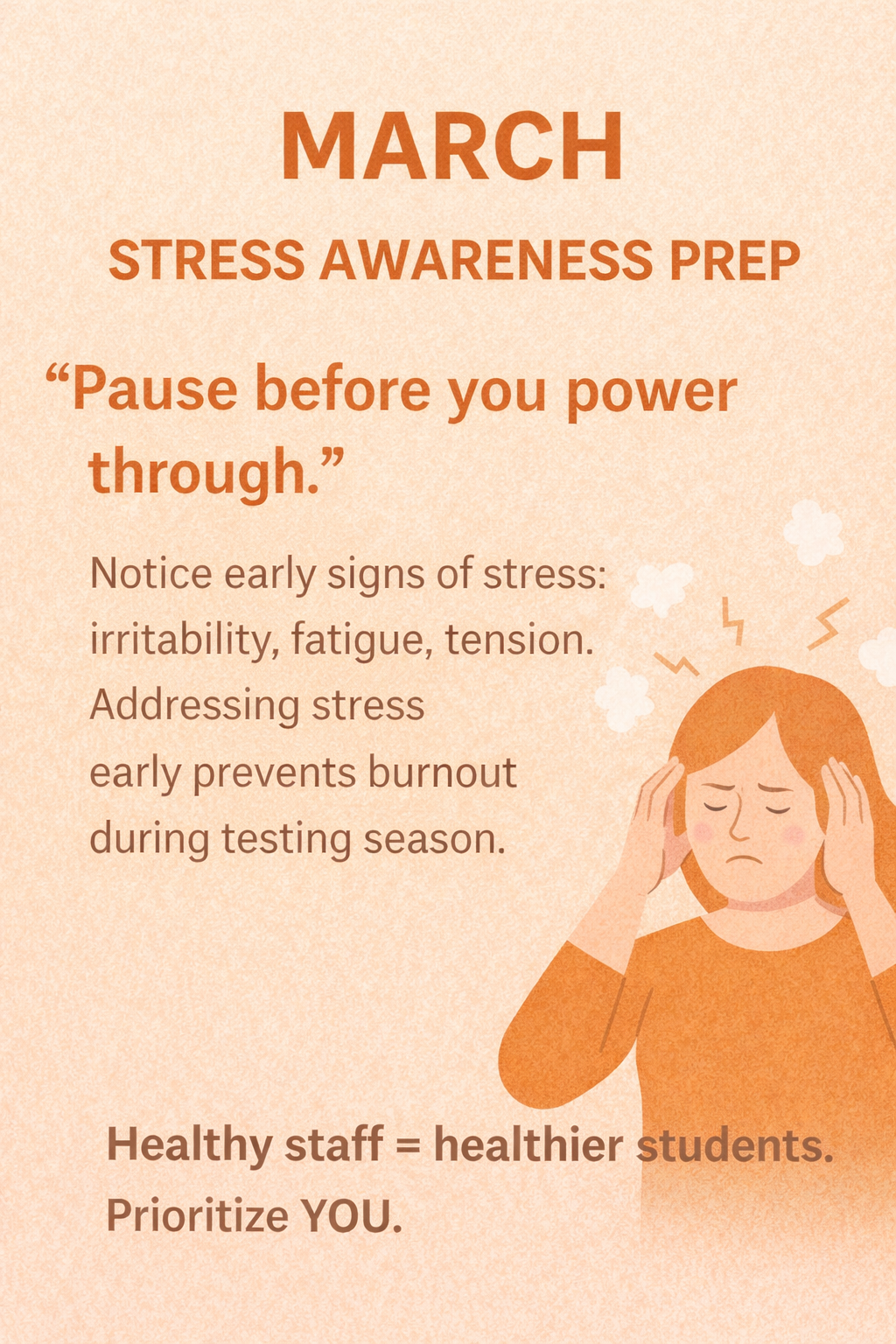
- irritability that surprises you
- sadness that lingers after work
- guilt for not having “more” to give
Thinking signs
- cynicism (“Nothing changes anyway.”)
- feeling unusually hopeless about a student’s future
- replaying situations over and over
- trouble concentrating
Body signs
- exhaustion that rest doesn’t fix
- headaches, stomach tightness, body tension
- sleep changes (too little or too much)
Work-life signs
- dreading the next day more than usual
- withdrawing from coworkers
- carrying student situations home every night
If you see yourself here, take a breath: this isn’t a failure. It’s information.
Compassion fatigue vs burnout (quick distinction)
They can overlap, but here’s a helpful way to separate them:
- Burnout is often tied to workload, systems, and chronic stress.
- Compassion fatigue is often tied to emotional exposure and care.
You can love your job and your students and still feel compassion fatigue.
6 ways to protect compassion (without shutting it off)
1) Shift from “I must fix” to “I will influence”
A helpful internal reframe:
- “I’m responsible for showing up with skill and care.”
- “I’m not responsible for controlling every outcome.”
That’s not lowering standards. That’s healthy reality.
2) Practice “caring boundaries” (short and repeatable)
Try one of these phrases before you go home:
- “I care deeply, and I did my part today.”
- “I can be supportive without being consumed.”
- “This student’s story matters—and my health matters too.”
Boundaries aren’t walls. They’re guardrails that keep you in the work.
3) Choose one daily “completion ritual”
Compassion fatigue gets worse when your brain never gets the signal that the day ended.
Pick a simple ritual you can repeat:
- close your laptop and write tomorrow’s first step
- a 3-minute workspace reset
- a short walk to your car without checking your phone
- one song that marks “work is done”
Small rituals help your nervous system shift gears.
4) Don’t carry student stories alone
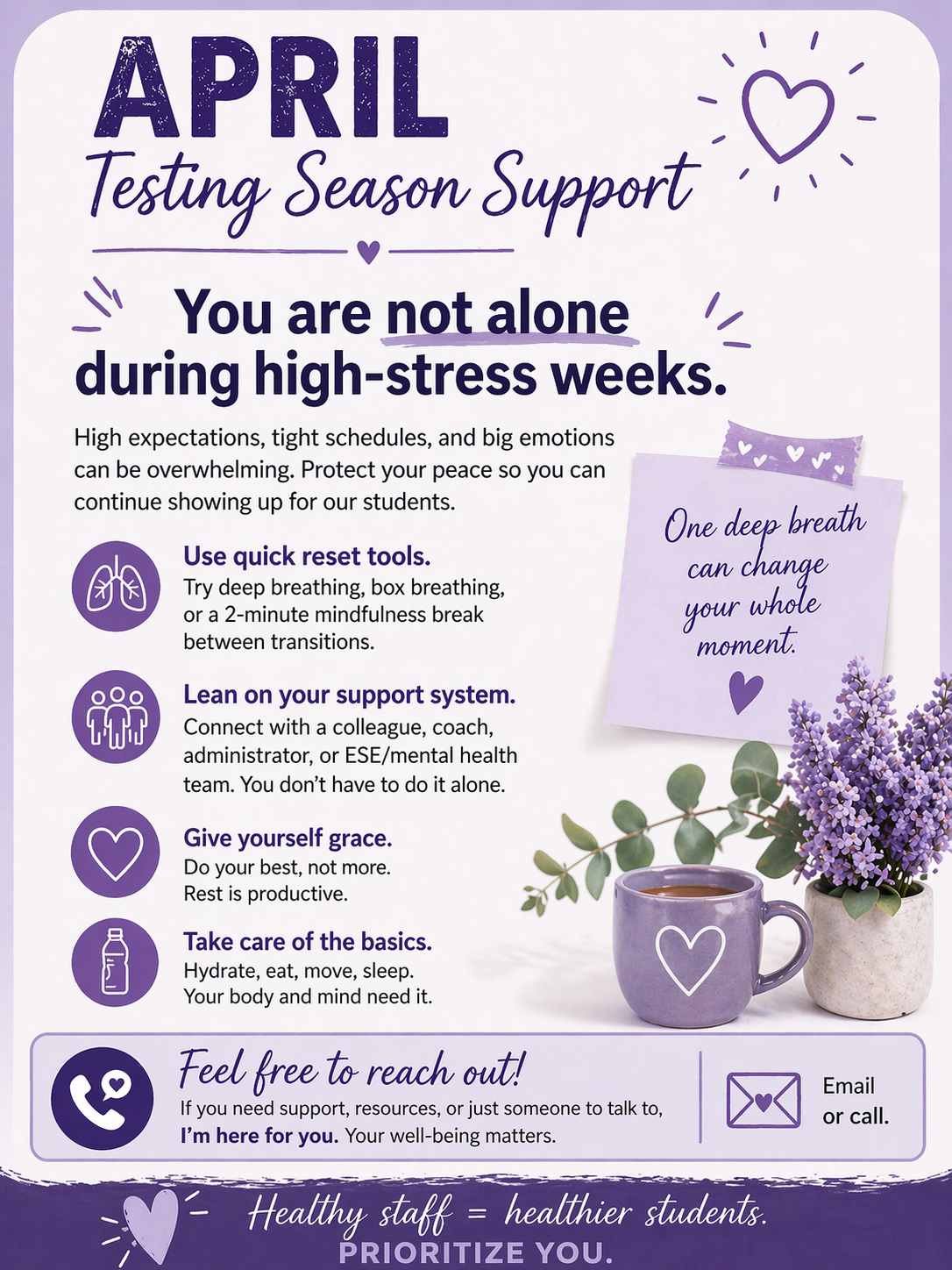
When appropriate, use your team. Compassion becomes heavier in isolation.
A healthy, professional version of support sounds like:
- “I had a hard moment today—can I process the next step with you?”
- “I’m noticing this situation is sticking with me—what would you do next?”
It’s not dumping. It’s collaborating.
5) Replace “more empathy” with “more recovery”
A lot of helpers try to solve compassion fatigue by becoming even more compassionate.
Often, what you need isn’t more empathy. It’s more recovery:
- hydration + food that stabilizes energy
- sleep routines
- movement
- time with people who fill you back up
- saying no to one extra thing
Recovery is not selfish. It’s professional maintenance.
6) Keep a “proof of impact” file
On hard weeks, our brains forget the wins.
Create a small folder (digital or paper) with:
- a kind note from a student
- a moment you handled well
- a small success that mattered (attendance up, conflict repaired, assignment finished)
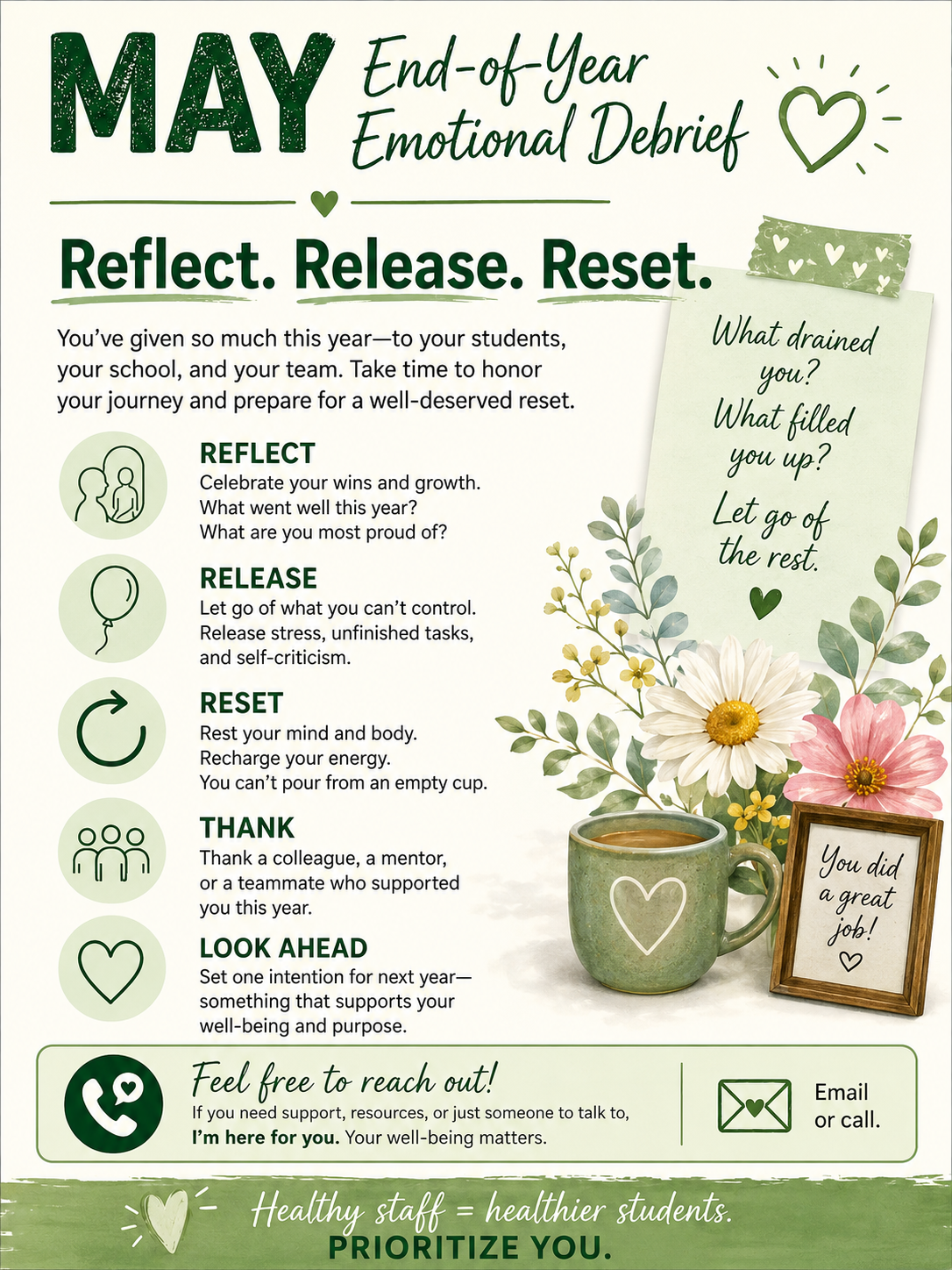
This isn’t bragging. It’s evidence that your care is doing something real.
A message from MYcroSchool, Inc.
We know this work can be heavy—because our students’ lives can be heavy.
We also know the people who show up for them are the reason hope stays possible in the building.
If you’re tired, if you feel stretched, if compassion feels harder than it used to—please hear this clearly:
You matter here. We care deeply about you, not just the outcomes you produce.
If you need support, ask. If you need a boundary, set it. If you need a pause, take it. Sustainable compassion is the goal—and you deserve it.
Optional reflection (2 minutes)
Answer one:
- “What am I carrying that isn’t mine to carry alone?”
- “What’s one boundary that would protect my compassion this week?”
- “What’s one win I don’t want to forget?”