
De-escalation for Adults First: How MYcroSchool Staff Stay Steady When Students Aren’t
In a MYcroSchool, you can do everything “right” and still face moments that feel intense.
A student shuts down. A conflict erupts. A tone escalates fast. A classroom moment turns into a hallway moment. And because many of our 7th–12th grade At‑Promise students are trauma-impacted, their nervous systems may react quickly—and loudly—when they feel threatened, embarrassed, unsafe, or overwhelmed.
In those moments, it’s natural for your nervous system to react too.
That’s why one of the most important truths in trauma-informed practice is this:
De-escalation starts with adults first.
Not because students don’t have responsibility—but because an adult’s steadiness is often the quickest path back to safety.
This post gives practical tools you can use in the moment, plus ways to recover after, so you can keep showing up without burning out.
Note: This is supportive wellness content, not clinical advice. If stress is sticking with you or impacting sleep/mood, consider using our Employee Assistance Program (EAP)—ask HR for details.
Why adult regulation matters so much
When a student escalates, they may be in a protective state (fight/flight/freeze). Logic and lectures won’t land the same way they do when a student is calm.
Your calm presence can communicate:
- “You’re safe.”
- “I can handle this.”
- “You’re not alone.”
- “We will get through this without humiliation.”
That message—nonverbally and verbally—often lowers the temperature faster than any consequence conversation.
The MYcroSchool “Adult First” De-escalation Toolkit
1) Use your body before your words (10 seconds)
Before you speak, check three things:
- Shoulders: drop them
- Jaw: unclench
- Feet: feel the floor
This is not “soft.” It’s tactical. Your body sets the tone.
2) Slow the room with fewer words
During escalation, more words often equals more friction.
Try short lines like:
- “I’m here.”
- “You’re safe.”
- “We’re going to slow down.”
- “I’m going to give you space.”
- “We’ll talk when we’re calm.”
If you feel yourself explaining, negotiating, or defending—pause and shorten.
3) Lower your voice, not your standards
A calm tone doesn’t mean you’re allowing unsafe behavior. It means you’re choosing the fastest route back to regulation.
A strong “warm + firm” script:
- “I’m not arguing with you.”
- “I do want to help.”
- “Here are your choices: A or B.”
4) Offer choices that are real (and enforceable)
Choices reduce power struggles only if both options are real.
Examples:
- “Do you want to take a two-minute break here or a five-minute break in the hallway with staff support?”
- “Do you want to write your response or tell it to me and I’ll scribe?”
- “Do you want to start with numbers 1–3 or 4–6?”
Avoid fake choices (“Calm down or else…”)—they escalate.
5) Don’t corner—create an exit ramp
Many escalations intensify when a student feels trapped or watched.
Helpful moves:
- give physical space (angle your body, step back)
- reduce the audience when possible
- avoid blocking doorways
- allow a dignified break and re-entry plan
Goal: safety + dignity.
6) Use “later language” for consequence conversations
Trying to “teach the lesson” mid-escalation often backfires.
Try:
- “We’ll talk about what happened later.”
- “Right now we’re focused on getting calm and safe.”
- “Repair is coming. Not in this moment.”
This protects the student and protects you.
After the moment: the staff recovery step nobody talks about
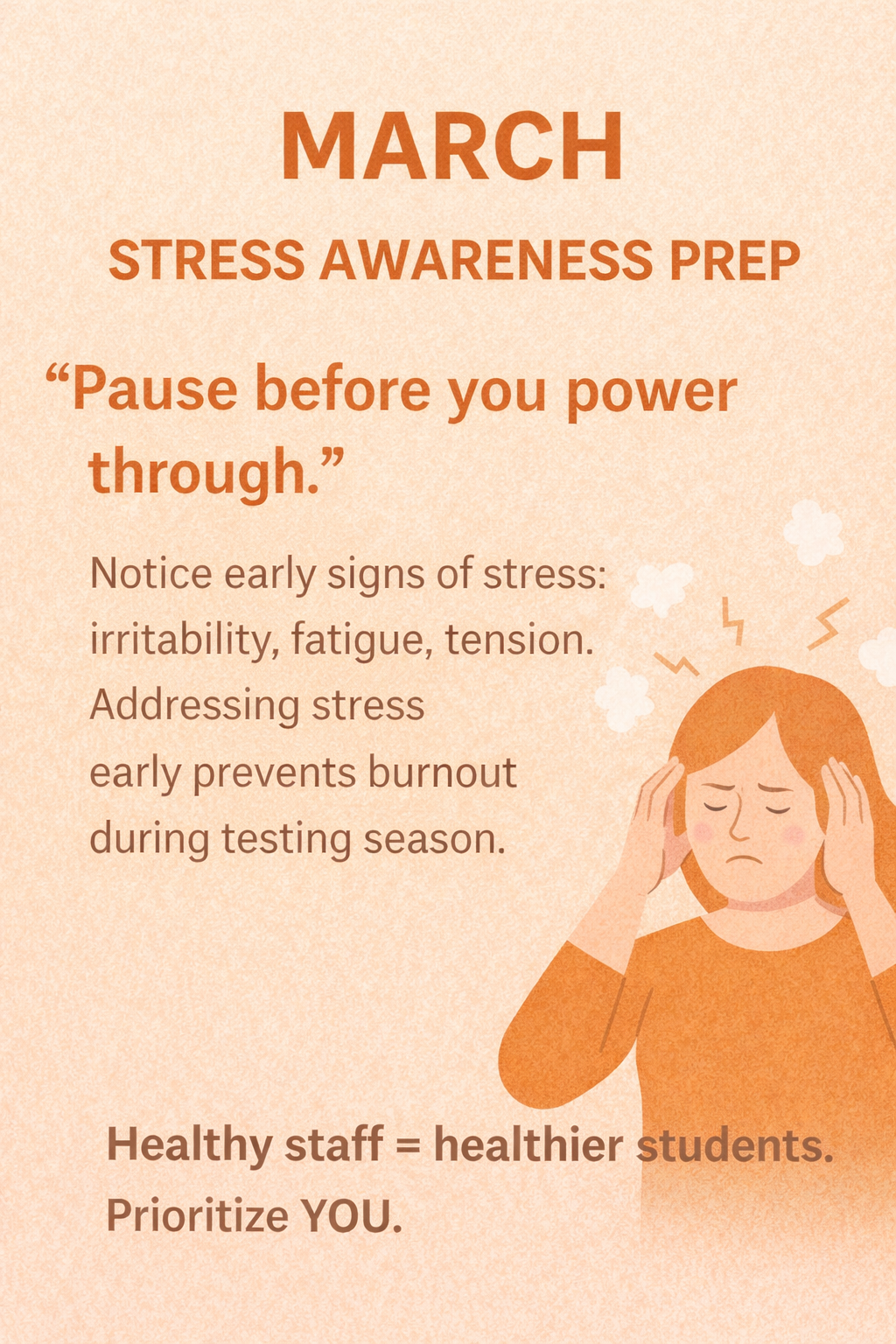
Even when you handle a situation well, your body may stay activated.
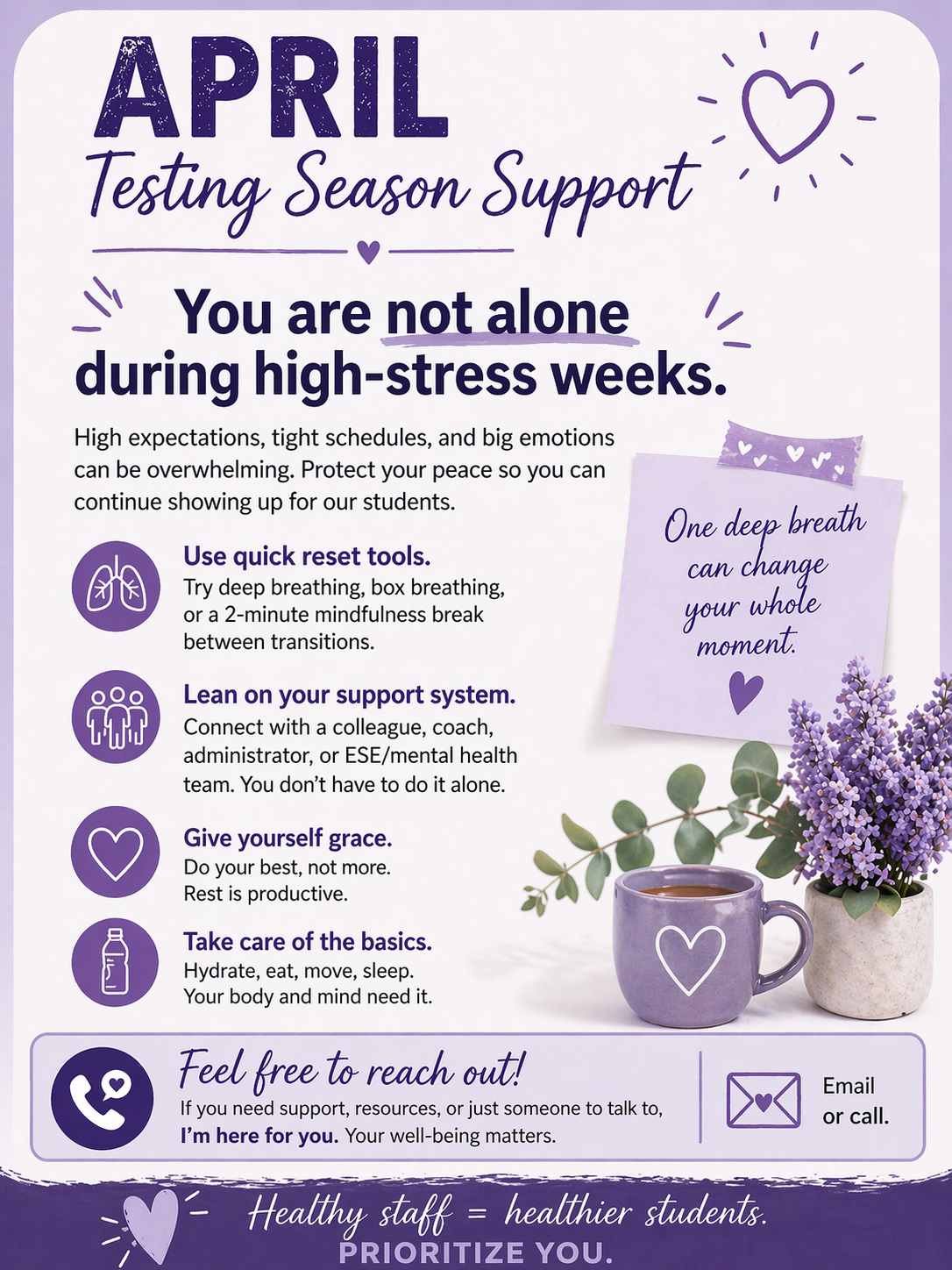
A 2-minute after-action reset (do this when you can)
- Drink water (yes, really)
- Take 3 slow breaths with a longer exhale
- Ask yourself: “What’s my next best step?” (one sentence)
- If needed, do a quick teammate check-in:
- “Can I get a quick second opinion on next steps?”
This is how we prevent one hard moment from becoming the rest of the day.
What if you’re the one escalating internally?
It happens. It doesn’t make you a bad educator.
If you feel your own activation rising:
- tap out early if your team structure allows
- say: “I’m going to get support so we handle this well.”
- step away, breathe, return when steady
That is leadership. That is professionalism.
A message from MYcroSchool, Inc.
We know what you carry. We know the emotional labor is real.
Your steadiness changes outcomes for At‑Promise students—often in ways you’ll never fully see. And you deserve support that matches the weight of this work.
If stress, sleep, or mood changes are building, please consider using our Employee Assistance Program (EAP)—ask HR for details. Getting support early is a strength move.
2-minute reflection (optional)
Pick one:
- “What situations activate me most—and what’s my plan for those moments?”
- “What short phrase helps me stay warm + firm?”
- “What would I do differently if I used half the words next time?”